
From August 28 to September 11, 2022, the TRANSLATORIUM Residency was held in the Carpathians. Ten translators from different Ukrainian cities settled for two weeks in the cozy space of the Khata-Maisternia in the village of Babyn, Ivano-Frankivsk region. There they worked on their own projects, rested, and recreated themselves among the mountains.
*The project was implemented with the support of the European Union and the International Renaissance Foundation within the framework of the “EU4USociety” initiative.
Since the beginning of Russia’s full-scale invasion of Ukraine, a number of literary residencies abroad have opened their doors to Ukrainian translators, providing them with shelter and opportunities for comfortable work. The team of the TRANSLATORIUM festival aimed to support those who remain and, despite everything, continue to work in Ukraine.

Participants and organizers of TRANSLATORIUM residency
It was a very important project for the TRANSLATORIUM team, as the organizers sincerely wanted the residency to become not only a favorable place to work, but also a place to meet new people and expand the professional circle.

Residency participant Anna Vovchenko is working on her translation
“After February 24, for many, translation took on a different shape: for some, it became more utilitarian and voluntary, for some, it became a conductor of the voices of war, and for some, an opportunity for escapism, which is difficult to afford. It seems to us that now it is important to support colleagues in returning to their profession and rethinking it. After all, the experience of war leaves its mark on our professional life. We know that many translators have been volunteering with their work since February, so let this be a small reward for them and an opportunity to take a breather,” — Tania Rodionova, director of the TRANSLATORIUM festival and curator of the residency.

TRANSLATORIUM residency participants draw a portrait of a perfect translator

TRANSLATORIUM residency participants draw a portrait of a perfect translator
By the way, the festival team already has experience in organizing translation residencies. The first one took place in April 2019 in the city of Khmelnytskyi. Back then, four female translators worked together for a week on the translation of Nicola McCartney’s play Home.
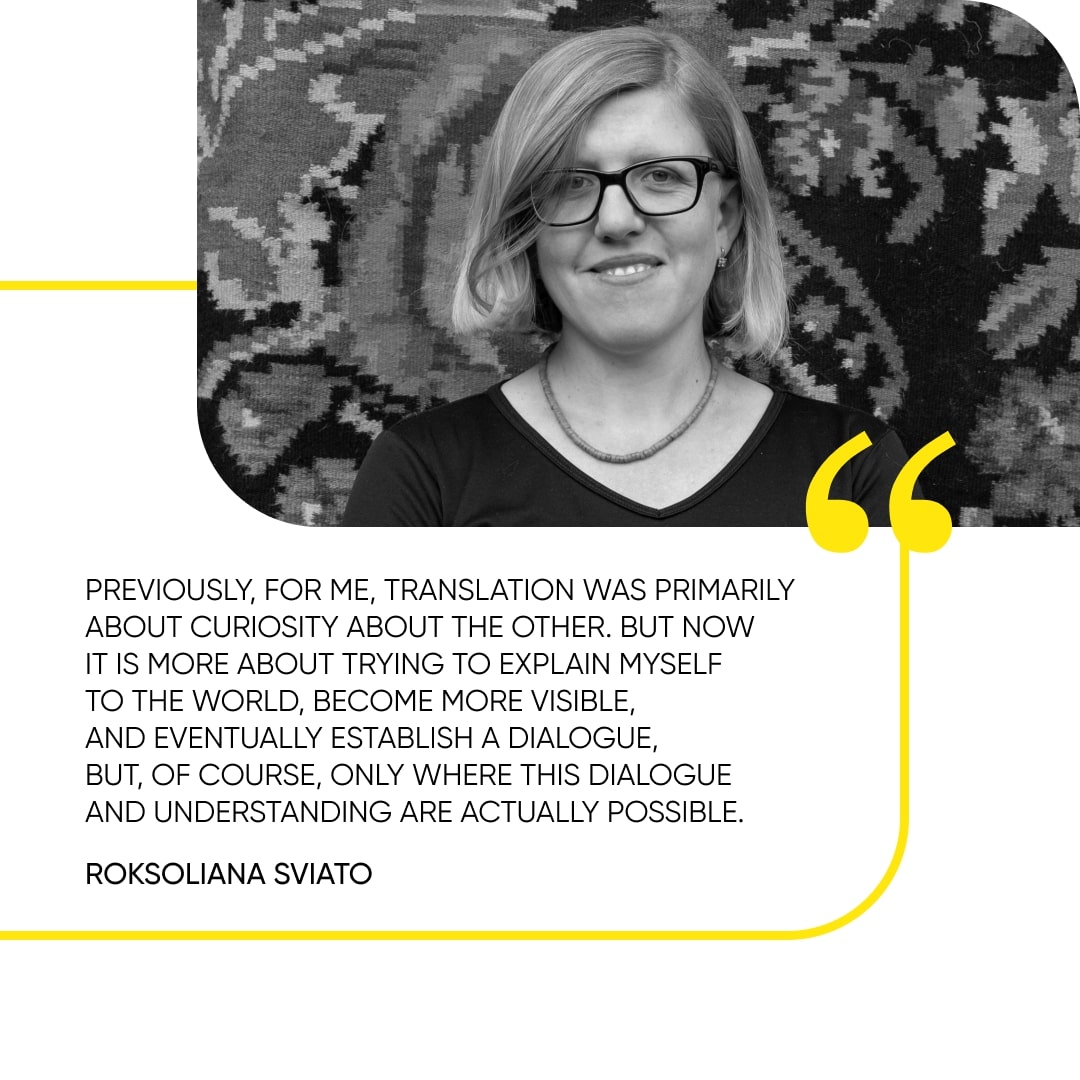
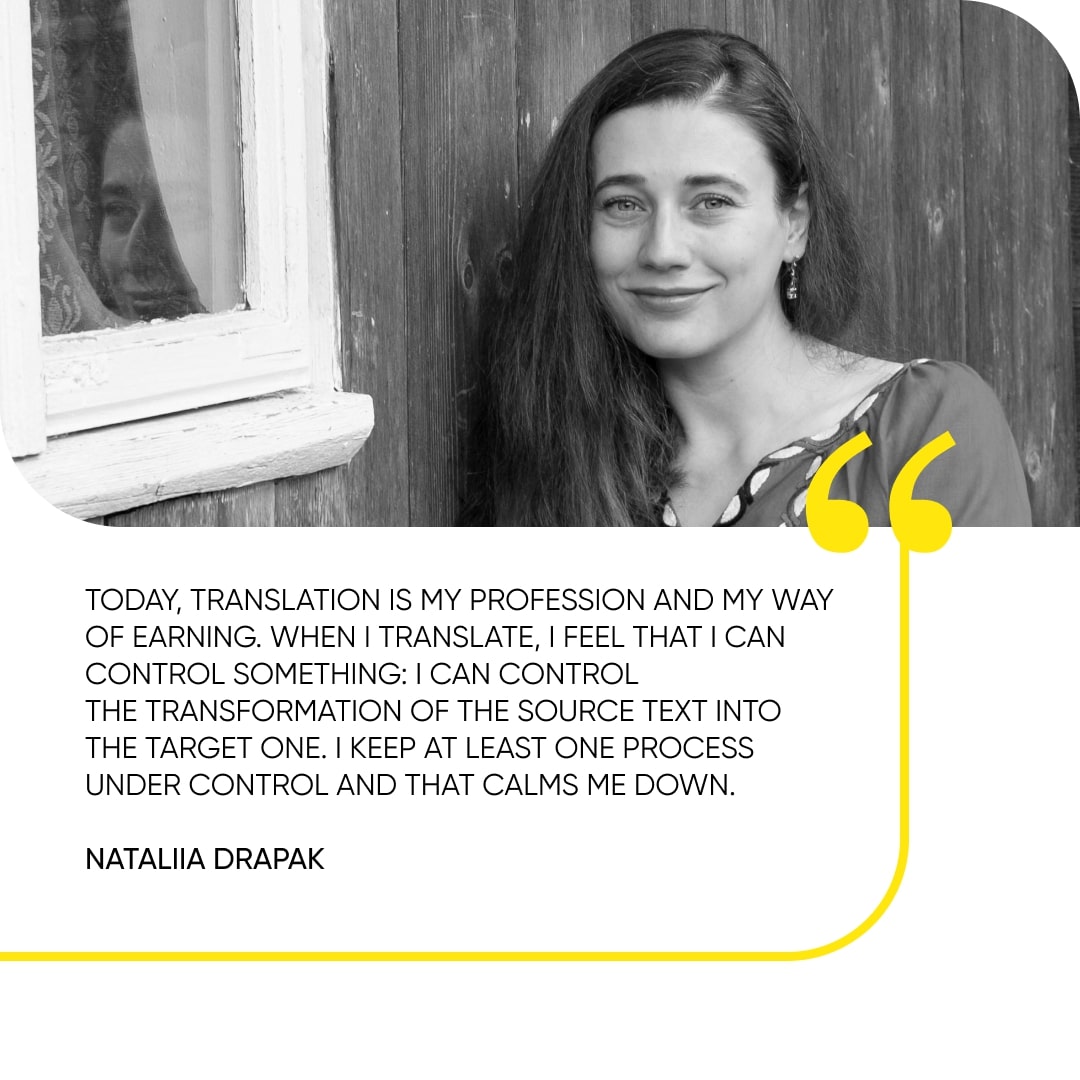
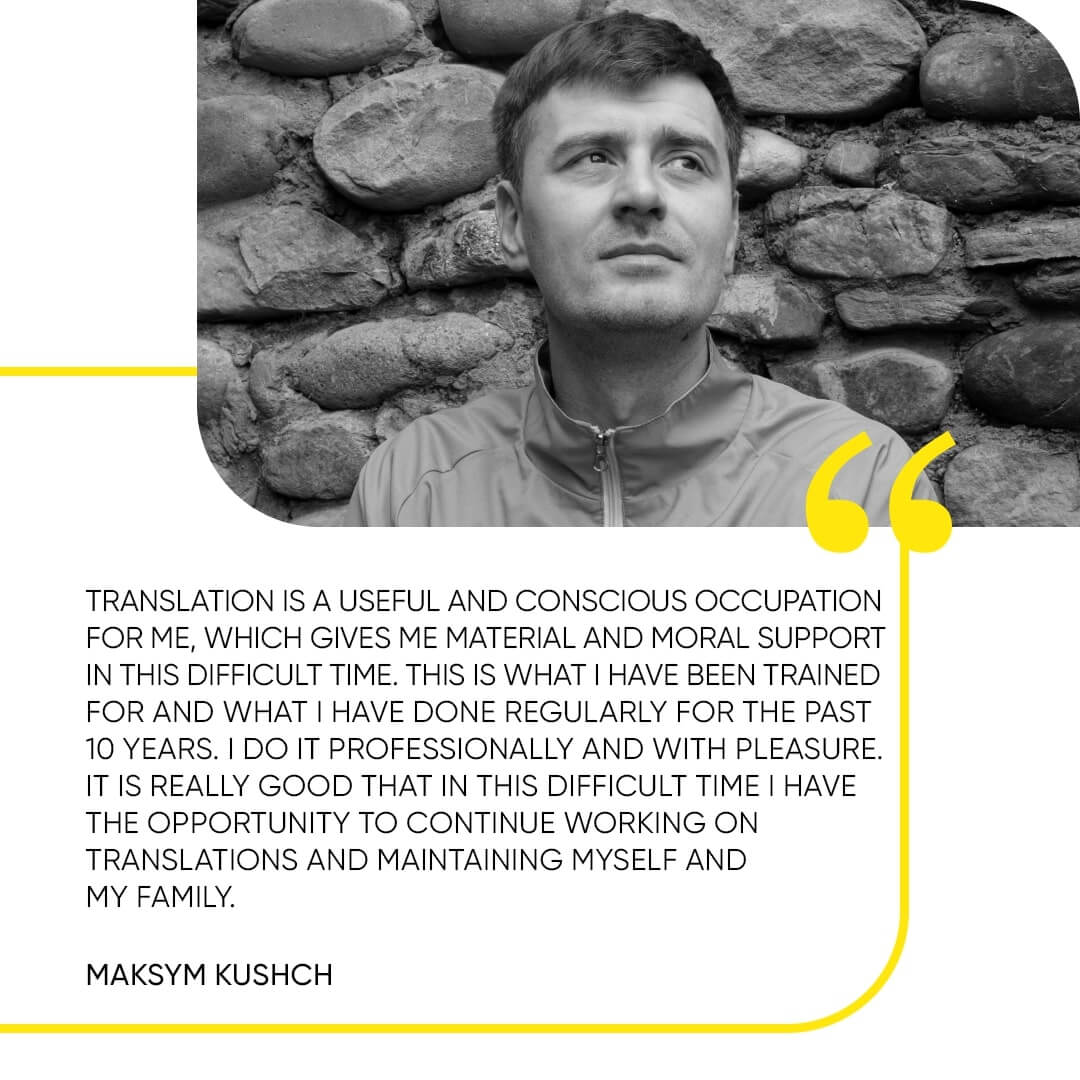
The selection stage turned out to be one of the most difficult. Only ten participants had to be chosen from more than thirty applications. And they were: Anna Vovchenko (Kyiv), Lesyk Panasiuk (Bucha-Khmelnytskyi), Nataliia Drapak (Ternopil-Kyiv), Viktoriia Pushyna (Kherson-Kyiv), Olha Svyripa (Kyiv-Rivne), Maksym Kushch (Kharkiv-Uman), Iryna Hoial (Kaniv), Roksoliana Sviato (Kyiv-Lviv), Tetiana Nepypenko (Kyiv), and Roman Hardashuk (Kyiv).

When planning the program, the organizers took into account the fact that many people need psychological help these days. Some of the participants, after the full-scale invasion of Russia into Ukraine, had to live under occupation or be in war zones, so it was obvious that psychological support should become an indispensable component of the residency.
Psychologist Olena Liuklian helped the participants cope with their internal conflicts, sadness, anxiety, and guilt. She conducted several joint psychological sessions for the residents. Also, each of the participants had the opportunity to apply for an individual consultation.
In addition to translation work, the participants walked a lot in the mountains and practiced yoga, which was conducted every morning by Olena Mason. Also, the residents themselves held themed nights, in particular, the ones dedicated to the traditions of India and China.

A walk to the Sokilskyi ridge

A walk to the Sokilskyi ridge
Another event of the residency was a poetry night. Tania Rodionova and Lesyk Panasiuk read their poetry, and Roman Hardashuk and Tetiana Nepypenko read their translations of Yiddish and German authors.
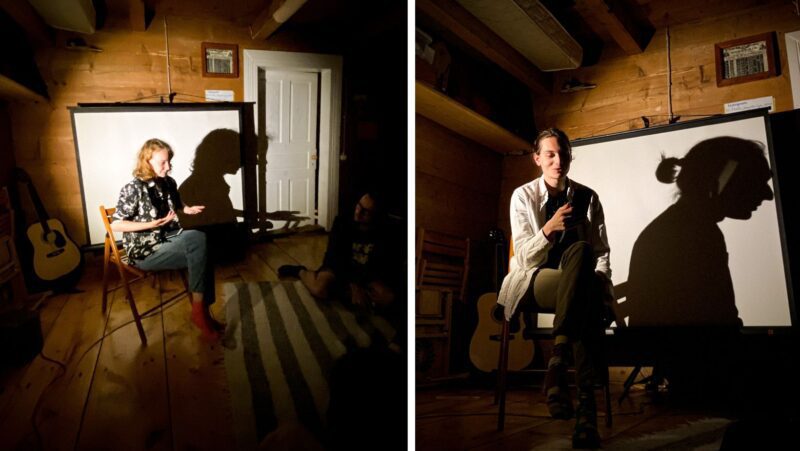
Tetiana Nepypenko and Roman Hardashuk are reading their translations of poetry
An important component of the residency was the joint ‘5 o’clock tea/coffee’ meetings: a format similar to a bar camp where the speakers were the participants themselves. During such meetings, everyone discussed topics such as emotional burnout and contemporary Ukrainian cinema.


One of the main ideas of the TRANSLATORIUM residency was to create a space for discussion about what translation is in times of war. During two weeks, the participants had the opportunity to share their own experiences and talked a lot about changes in attitudes towards the profession:
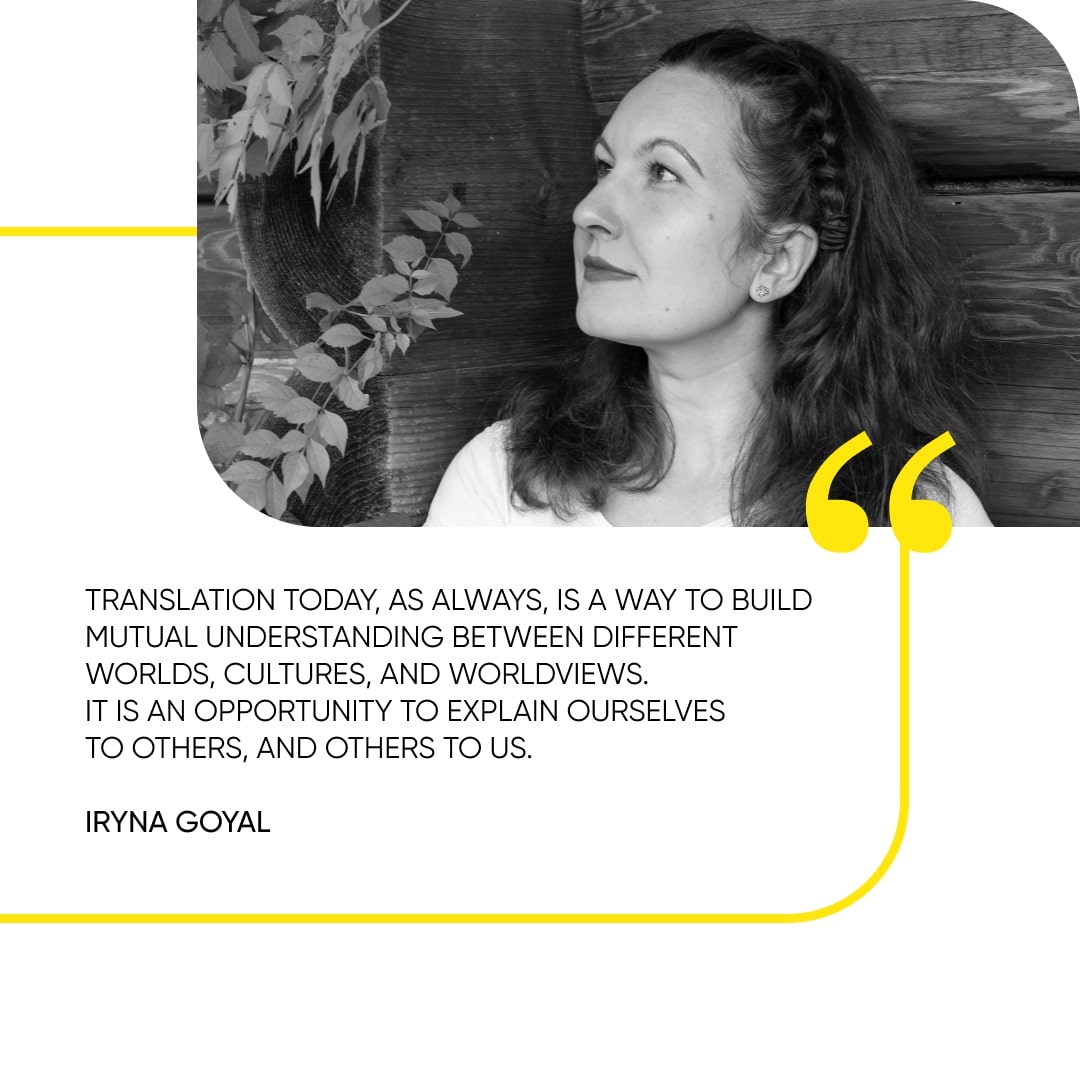
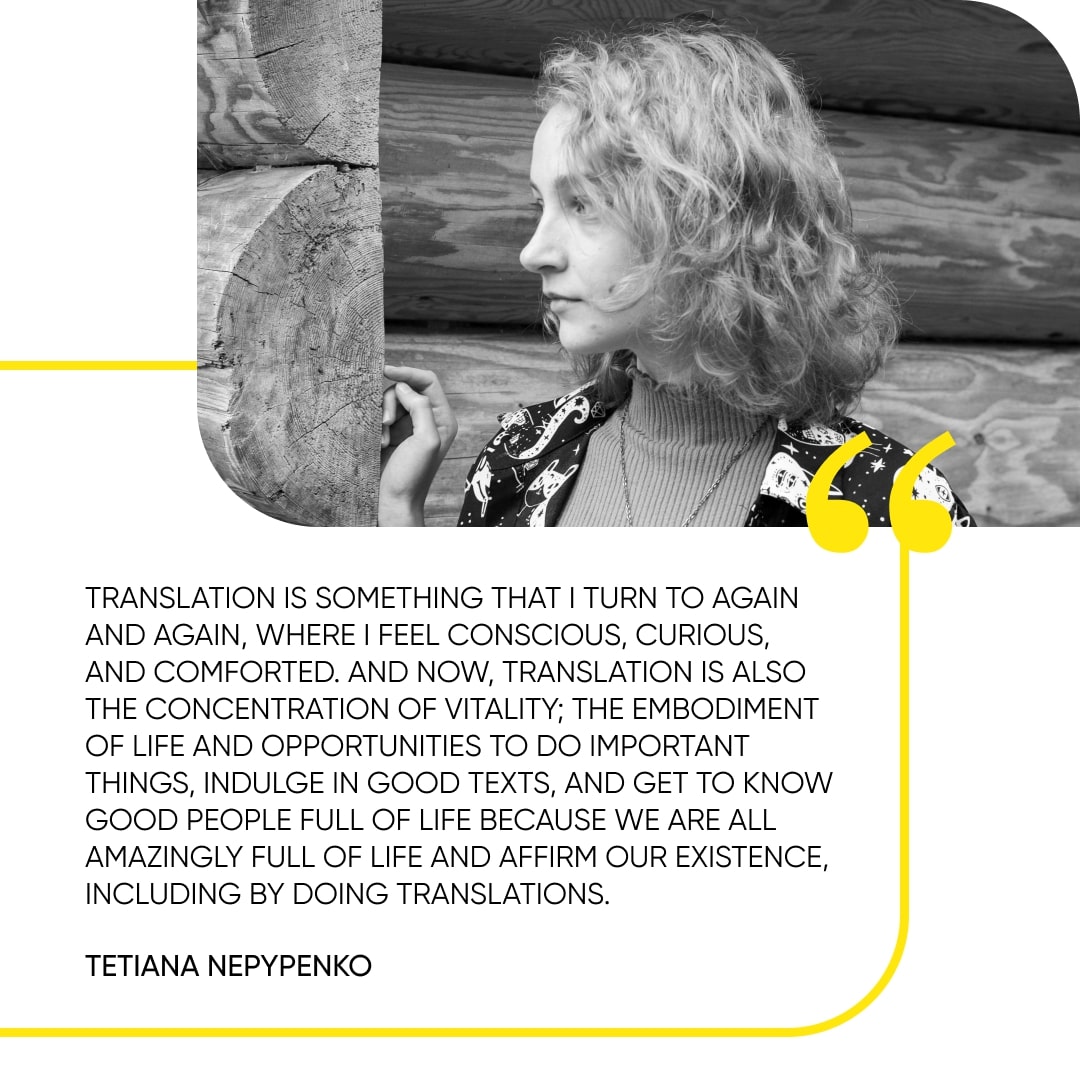

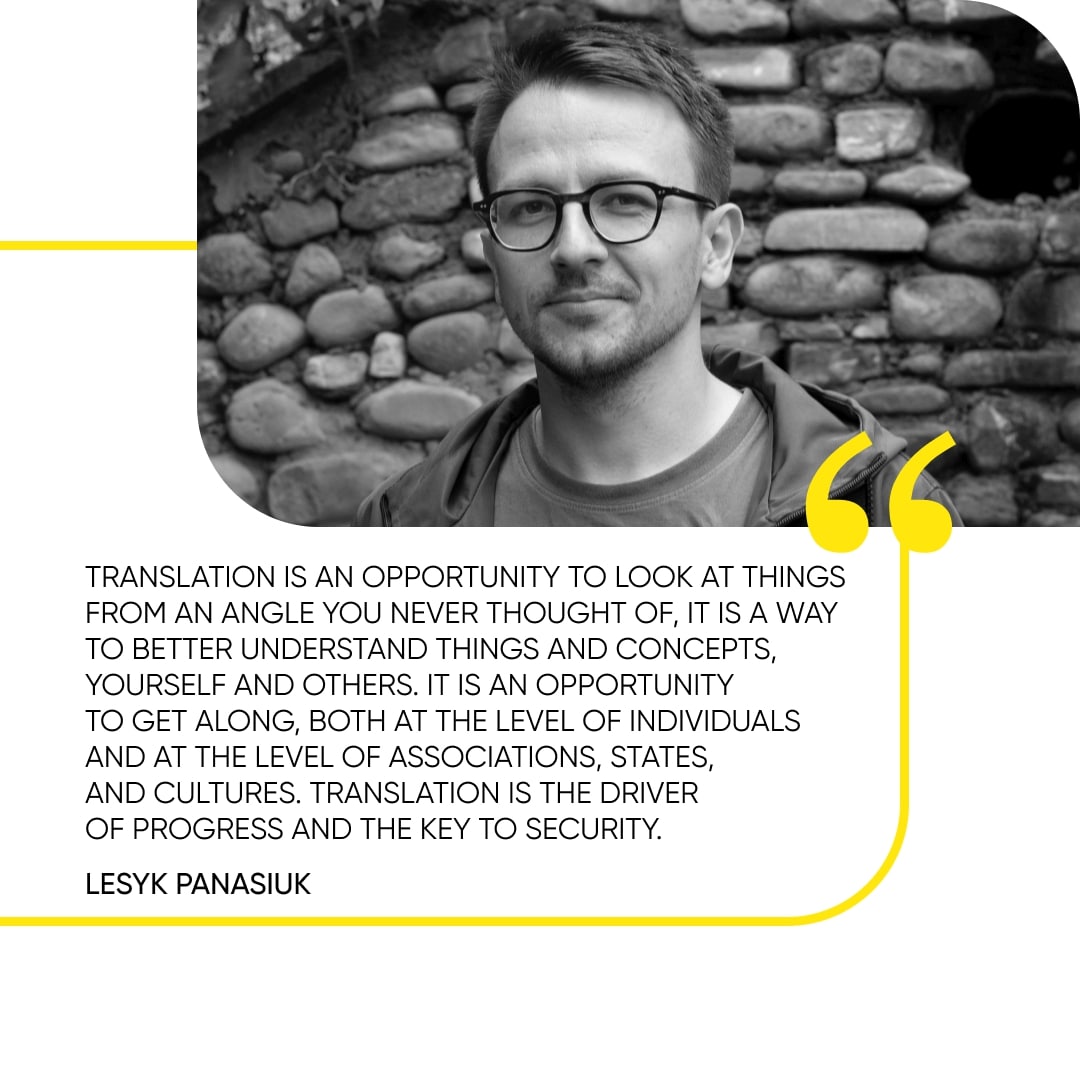
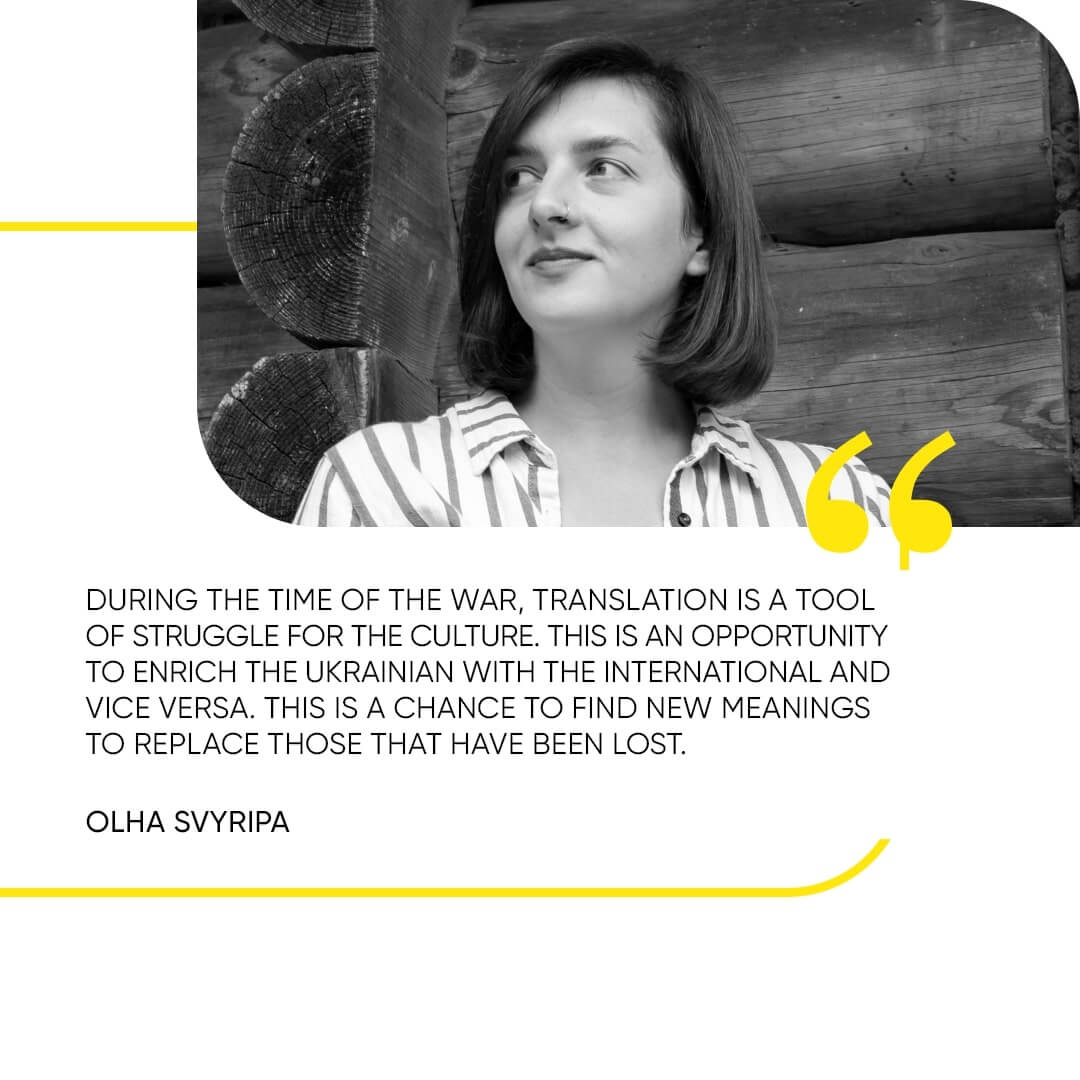
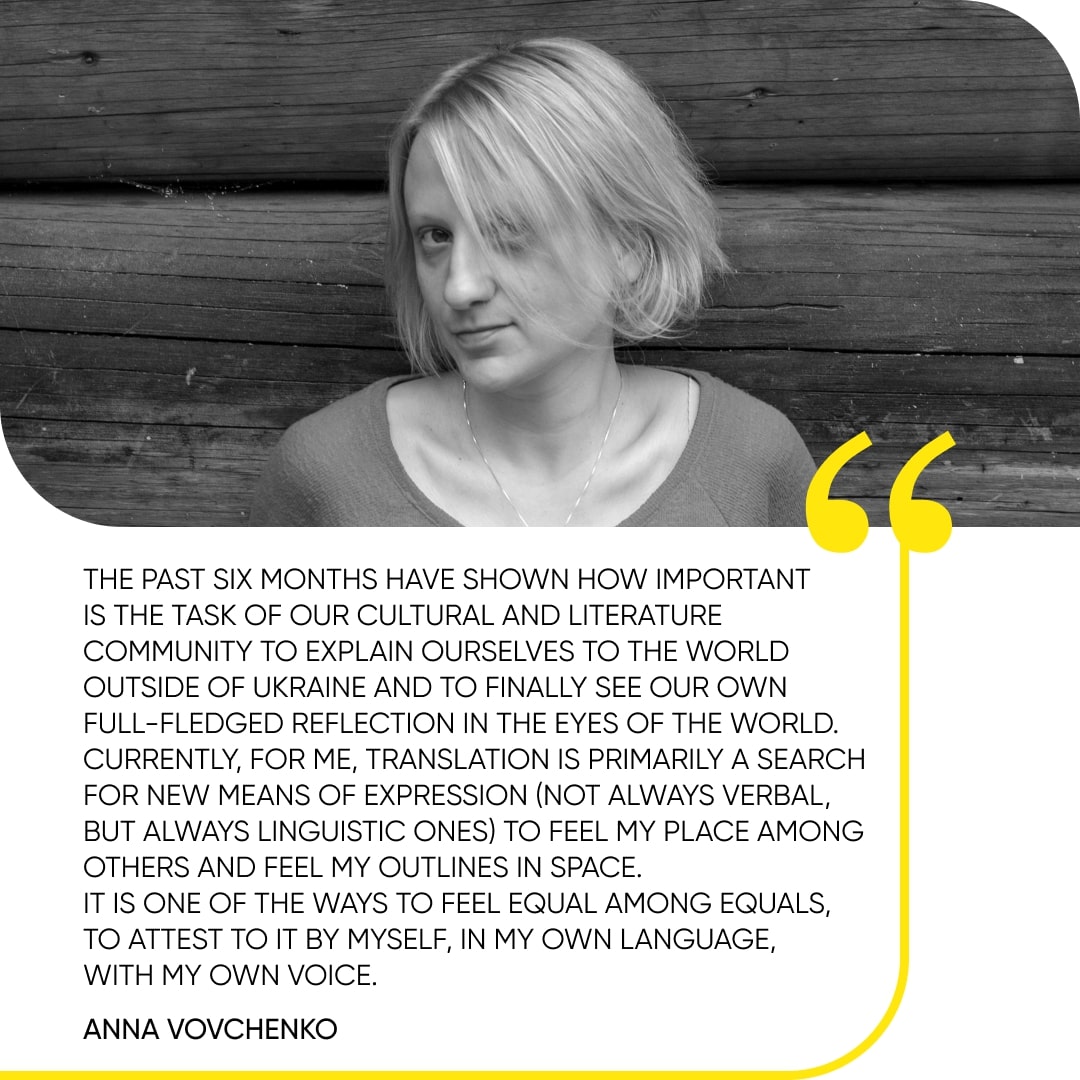
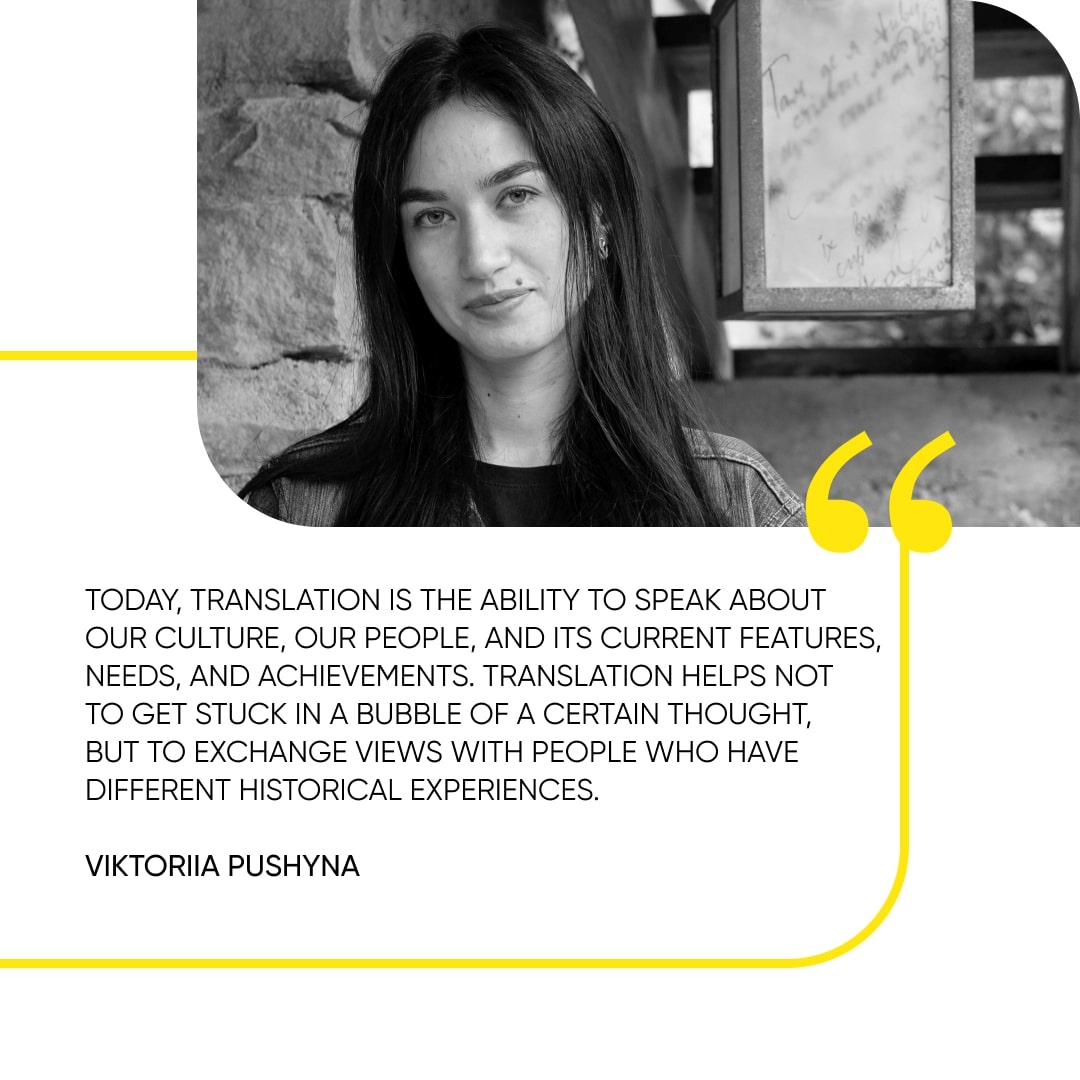
As planned by the organizers, these two weeks were a breath of fresh Carpathian air for the participants, helped them to reset the brain and gain strength, and the TRANSLATORIUM residency became another impetus for the consolidation of the professional translation community.
Photo: Taras Telishchak, Nadiia Kuryliak